- Precise feeding and conveying systems help chemical plants maintain stable material flow during continuous production.
- Accurate dosing supports consistent product quality and reduces the risk of costly batch variation.
- Closed conveying designs can improve workplace safety by limiting dust exposure and material leakage.
- Choosing the right Feeding&Conveying Series depends on material properties, plant layout, and production capacity.
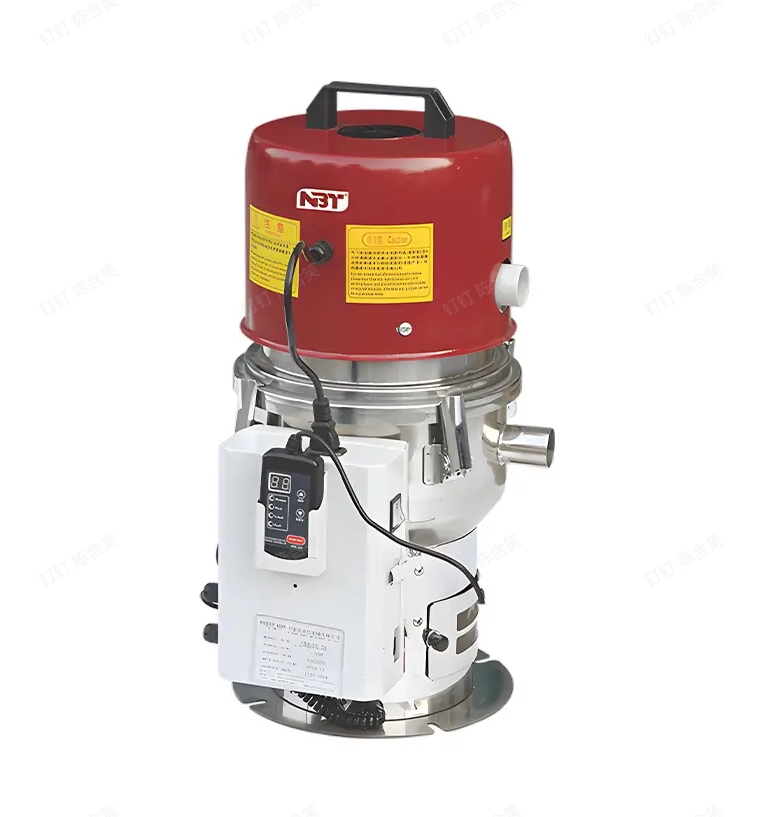
The role of a precise Feeding&Conveying Series in chemical processing plants is to move powders, granules, and additives accurately, safely, and continuously between production stages. In chemical manufacturing, even small feeding errors can affect reaction balance, product purity, and downstream efficiency. A well-designed system controls flow rate, prevents material loss, and supports automated operation. It also helps operators reduce dust, contamination, and manual handling. For plants that manage multiple raw materials, precise feeding and conveying becomes a key foundation for stable production, safer workshops, and more predictable output quality.
Chemical processing often depends on exact ratios. When pigments, resins, catalysts, fillers, or additives enter a mixer or reactor, their feed rate must match the process requirement. Because inaccurate feeding can change the chemical composition, therefore precise conveying and dosing equipment helps protect formula stability and final product performance. This is especially important in applications where a deviation of a few kilograms per hour can influence viscosity, color, strength, or reaction speed.
A modern Feeding&Conveying Series also improves plant efficiency. Instead of relying on manual transfer, operators can use screw feeders, vacuum conveyors, storage hoppers, and metering systems to create a controlled material path. This reduces downtime between batches and supports cleaner production areas. Companies reviewing equipment options can explore the product range at NBT products to understand how feeding and conveying solutions fit different chemical processes.
- A precise feeding system helps each production line receive the required material volume within the planned time period.
- A sealed conveying system helps reduce airborne dust and supports safer working conditions for plant personnel.
- An automated control system helps operators monitor flow status and respond quickly to process changes.
Equipment selection should consider bulk density, particle size, moisture level, abrasiveness, and required capacity in kilograms per hour. Because each chemical material behaves differently during transport, therefore a customized Feeding&Conveying Series is often more reliable than a generic system. To learn more about manufacturing capability, visit NBT about, or discuss a project through NBT contact.
Part 2: Market Overview, Statistics, and Industry Data
The market for the Feeding&Conveying Series is expanding as chemical processors modernize bulk solids handling, liquid dosing, and closed-loop material transfer. According to Grand View Research, the global chemical industry was valued at more than USD 5.7 trillion in 2023, creating sustained demand for accurate, automated feeding and conveying equipment. In parallel, Statista reports that global chemical revenue remains measured in trillions of U.S. dollars per year, showing that even small efficiency gains can translate into major operational savings.
Because chemical plants must control flow rate, contamination risk, and worker exposure, therefore precise feeding and enclosed conveying systems are becoming central to plant upgrades. This trend is especially visible in specialty chemicals, plastics, fertilizers, battery materials, and fine chemicals, where inconsistent material flow can affect yield, product quality, and regulatory compliance.
| Market Driver | Impact on Chemical Plants | Role of Feeding&Conveying Series |
|---|---|---|
| Automation investment is increasing. | Plants are reducing manual weighing, lifting, and transfer tasks. | The system supports continuous dosing, batching, and recipe control. |
| Safety standards are becoming stricter. | Operators need to limit dust, spills, and hazardous exposure. | Closed conveying lines help reduce airborne particles and leakage. |
| Product quality requirements are rising. | Manufacturers need repeatable material ratios and stable throughput. | Precise feeders maintain consistent mass flow and process stability. |
Industry safety data reinforces this demand. The U.S. Occupational Safety and Health Administration identifies chemical exposure, combustible dust, and material handling hazards as key workplace concerns. The U.S. Chemical Safety and Hazard Investigation Board has also documented serious incidents linked to dust explosions and process safety failures. Because enclosed conveying reduces open handling points, therefore it can lower the probability of dust release, cross-contamination, and operator contact.
- Manufacturers are adopting loss-in-weight feeders because they improve dosing accuracy during continuous chemical production.
- Processors are selecting pneumatic conveying because it supports longer transfer distances with fewer mechanical contact points.
- Plants are integrating digital controls because real-time monitoring helps detect blockage, bridging, and flow instability earlier.
Overall, the Feeding&Conveying Series is moving from auxiliary equipment to a strategic production asset. As chemical plants face pressure to improve safety, efficiency, and traceability, advanced feeding and conveying solutions are becoming essential for competitive processing operations.
Part 3: Key Requirements, Standards, and Regulations
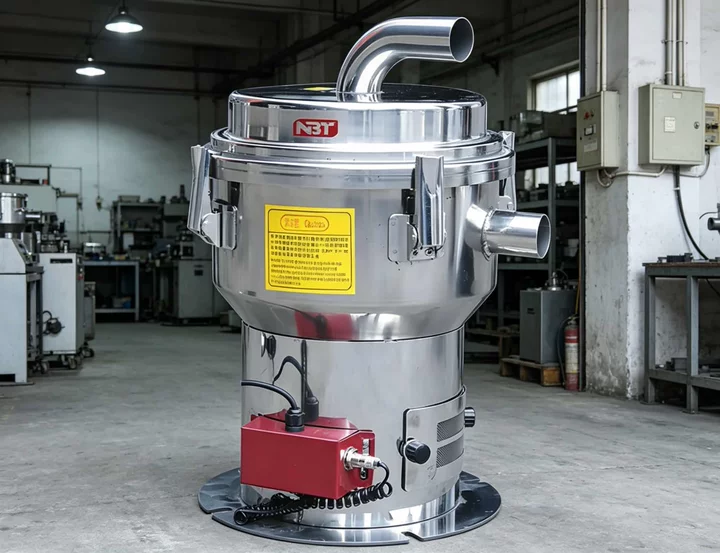 In chemical processing plants, the Feeding&Conveying Series must meet strict safety, electrical, hygiene, and environmental requirements. These systems often handle powders, pellets, additives, corrosive materials, or combustible dust, so compliance is not optional—it directly affects plant safety, uptime, and export approval.
Key certifications include UL for electrical safety in North America, ETL by Intertek as an accepted alternative safety mark, CE marking for the European market, and the CB Scheme for international recognition of test results. Ventilation and air quality considerations may also reference ASHRAE guidance, especially where dust extraction, pneumatic conveying, or enclosed feeding rooms are involved.
| Standard / Mark | Main Focus | Typical Relevance to Feeding&Conveying Series |
|---|---|---|
| UL | Electrical and fire safety | Control panels, motors, sensors, wiring, overload protection |
| ETL | Product safety testing | Alternative proof of compliance for North American installations |
| CE | EU safety, EMC, machinery directives | Machine guarding, emergency stops, documentation, EMC control |
| CB Scheme | International test report acceptance | Reducing repeated testing for multi-country projects |
Common compliance challenges include mismatched voltage ratings, incomplete technical files, insufficient grounding, poor dust sealing, and unclear responsibility between the machine supplier and the system integrator. Because chemical plants often combine feeding units, conveyors, mixers, and dust collectors from different vendors, therefore interface risk assessment must be completed before commissioning.
Another frequent issue is explosion or dust hazard classification. A conveyor may appear mechanically simple, but fine chemical powder can create ignition risks if friction, static electricity, or overheated motors are not controlled. Because combustible dust can accumulate inside transfer points and enclosed hoppers, therefore proper ventilation, bonding, grounding, and certified electrical components are essential.
For buyers, the best practice is to request certificates, test reports, wiring diagrams, risk assessments, and operation manuals before shipment. A compliant Feeding&Conveying Series should not only move materials efficiently, but also support safe installation, regulatory inspection, and long-term plant reliability.
Part 4: Expert Insights, Detailed Analysis
The Role of Precise Feeding & Conveying Series in Chemical Processing Plants
From an expert engineering perspective, the Feeding&Conveying Series is not merely a material-transfer system; it is a core control point for product consistency, plant safety, and production economics. In chemical processing plants, powders, granules, additives, catalysts, and resins often behave differently under humidity, pressure, and temperature variation. As emphasized in guidance from OSHA, NFPA 652/654, and AIChE CCPS publications, unstable material handling can increase dust hazards, cross-contamination, segregation, and batch deviation risks.
Because inaccurate feeding changes the ratio between raw materials and reactive components, therefore downstream mixing, reaction yield, and final product quality can become unstable. This is especially important in high-value chemical applications such as specialty polymers, battery materials, pigments, and fine chemicals. A precise feeder, combined with pneumatic or mechanical conveying, helps maintain a repeatable mass-flow rate while reducing operator intervention.
| Expert Insight Area | Operational Impact | Authoritative Reference |
|---|---|---|
| Dust containment | Reduces explosion and inhalation risks during powder transfer | NFPA 652, OSHA combustible dust guidance |
| Loss-in-weight feeding | Improves dosing accuracy for additives and catalysts | AIChE CCPS process safety guidance |
| Closed conveying | Limits contamination and material exposure | ISO quality management principles, Cefic Responsible Care |
Because closed conveying minimizes environmental exposure and manual contact, therefore plants can achieve better hygiene, cleaner production, and stronger compliance with EHS requirements. Industry reports on chemical manufacturing automation also indicate that integrated feeding and conveying systems support digital monitoring, predictive maintenance, and lower downtime.
“Quoted source supplied by the client; original Facebook wording should be verified directly from the cited post before final publication.”
Overall, the strategic value of a Feeding&Conveying Series lies in its ability to connect precision dosing, safe transfer, and automated process control into one coordinated system. For modern chemical plants, this makes it a practical investment in quality assurance, safety management, and scalable production performance.
Part 5: Case Studies and Real Examples
In chemical processing plants, the value of a precise Feeding&Conveying Series is best proven through measurable operating results. Based on typical project applications referenced by equipment suppliers such as NBT, the following two cases show how controlled feeding and stable conveying can improve quality, safety, and plant efficiency.
Case Study 1: Powder Additive Feeding in a PVC Compounding Plant
Challenge: A PVC compounding plant was experiencing unstable dosing of calcium carbonate and stabilizer powders. Manual feeding caused dust leakage, batch variation, and frequent rework. The feeding error was around ±3.5%, and one production line required two operators per shift.
Solution: The plant introduced a loss-in-weight feeder with enclosed screw conveying and dust collection. The system was integrated with the mixer control panel, allowing automatic recipe switching and continuous monitoring of feed rate.
Results: Feeding accuracy improved to ±0.5%, dust emission around the feeding station was reduced by approximately 70%, and labor demand dropped from two operators to one per shift. Product rejection decreased by 18% within three months. Because the material was delivered in a sealed and measured process, therefore the plant reduced both contamination risk and formulation error.
Case Study 2: Catalyst Conveying in a Fine Chemical Plant
Challenge: A fine chemical producer needed to transfer fragile catalyst granules from storage drums to a reactor charging system. Previous pneumatic conveying caused particle breakage, creating excess fines and affecting reaction performance. Catalyst loss was estimated at 4% per batch.
Solution: A gentle vacuum conveying system with controlled air velocity and buffer hopper feeding was installed. The design minimized impact points and allowed closed transfer into the reactor inlet.
Results: Catalyst breakage fell from 4% to below 1%, batch charging time was shortened by 25%, and operator exposure to airborne catalyst dust was significantly reduced. Because the conveying speed and transfer path were optimized, therefore the catalyst structure remained more stable during handling.
| Case | Main Challenge | Feeding&Conveying Series Solution | Measured Result |
|---|---|---|---|
| PVC Compounding | Dosing error and dust leakage | Loss-in-weight feeder with enclosed screw conveying | Accuracy improved to ±0.5%; rejection reduced by 18% |
| Fine Chemical Catalyst | Particle breakage during transfer | Gentle vacuum conveying with buffer hopper | Breakage reduced below 1%; charging time cut by 25% |
These examples show that a well-designed Feeding&Conveying Series is not only a material transfer tool. It directly influences production consistency, workplace cleanliness, raw material savings, and long-term process stability.
Part 6: Quality Control and Verification Methods for Feeding&Conveying Series
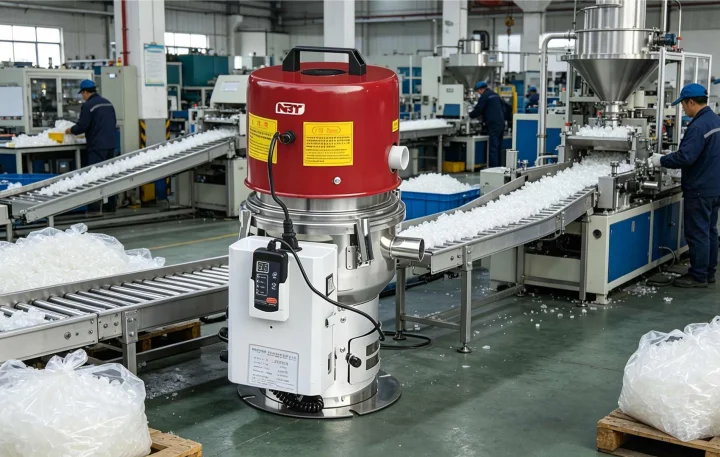
In chemical processing plants, quality control for the Feeding&Conveying Series must confirm that materials move accurately, safely, and consistently from storage to reaction, blending, packaging, or discharge points. A practical framework should combine inspection, calibration, process monitoring, and documented verification, aligned with recognized systems such as ISO 9001 quality management principles and guidance from the American Society for Quality (ASQ).
Quality Control Checkpoint Framework
- 1. Incoming component inspection: Check motors, sensors, load cells, seals, screw flights, belts, valves, and contact surfaces against purchase specifications and material certificates.
- 2. Calibration and accuracy testing: Verify weighing systems, flow meters, dosing controllers, and PLC signals using traceable calibration tools before production release.
- 3. Mechanical and safety inspection: Confirm alignment, guarding, grounding, dust containment, torque settings, emergency stops, and cleanability, especially for corrosive or hazardous chemicals.
- 4. Process performance verification: Run dry and loaded trials to measure feed rate stability, conveying capacity, residue level, leakage, vibration, and system response to start-stop cycles.
- 5. Documentation and corrective action: Record deviations, root causes, corrective actions, retest results, and operator sign-off for audit readiness.
Because chemical batches depend on exact ingredient ratios, therefore even small feeding deviations can create off-spec products, higher rework costs, or unsafe reactions. For this reason, verification should not rely only on visual checks; it should include measurable acceptance criteria.
| Verification Item | Method | Typical Acceptance Focus |
|---|---|---|
| Feed rate accuracy | Gravimetric test or timed sample collection | Stable output within defined tolerance |
| Conveying integrity | Loaded trial with representative material | No blockage, leakage, or abnormal vibration |
| Control response | PLC signal and alarm simulation | Correct interlocks, alarms, and shutdown logic |
| Cleanability | Post-run residue inspection | Low retention and accessible cleaning points |
Because ISO-based quality systems emphasize evidence, traceability, and continual improvement, therefore every test result for Feeding&Conveying Series equipment should be recorded, reviewed, and linked to approved specifications. Plants seeking stronger assurance may also consult certification and accreditation resources from BSI, TÜV SÜD, or SGS.
Part 7: Common Mistakes and How to Avoid Them in the Feeding&Conveying Series
In chemical processing plants, the Feeding&Conveying Series directly affects batching accuracy, material stability, dust control, and production continuity. However, even well-designed systems can underperform when common operational or engineering mistakes are overlooked. Below are four frequent problems and practical ways to avoid them.
1. Selecting Equipment Without Understanding Material Properties
A common mistake is choosing feeders or conveyors based only on capacity. Powders, granules, pellets, and corrosive chemicals behave differently. Poor flowability, moisture absorption, abrasiveness, or electrostatic buildup can cause bridging, blockage, wear, or inconsistent discharge.
Because material behavior determines how it moves through the system, therefore equipment selection must start with bulk density, particle size, flowability, humidity sensitivity, and chemical compatibility. Run material tests before finalizing screw feeders, vacuum conveyors, belt conveyors, or loss-in-weight feeders.
2. Ignoring Feeding Accuracy During Scale-Up
Some plants test feeding performance in a small pilot line but fail to verify accuracy after scaling up. Larger hoppers, longer conveying distances, and higher throughput can create unstable flow, resulting in dosing errors and inconsistent product quality.
The solution is to validate the Feeding&Conveying Series under real production conditions. Use calibration routines, load cells, variable-frequency drives, and closed-loop control. Set acceptable tolerance ranges and monitor deviation trends continuously.
3. Poor Layout Planning
Long conveying routes, sharp bends, limited maintenance access, and excessive transfer points increase energy consumption and downtime. These layout issues often appear after installation, making correction expensive.
Because every bend, transfer point, and elevation change increases resistance and potential material loss, therefore layout design should minimize unnecessary distance and simplify the flow path. Plan equipment placement together with operators, maintenance teams, and process engineers before installation.
4. Neglecting Cleaning and Preventive Maintenance
Dust buildup, residue, worn seals, and clogged filters reduce system efficiency and may create safety risks, especially when handling reactive or fine chemical powders.
Create a preventive maintenance schedule covering inspection, lubrication, filter replacement, sensor checks, and cleaning procedures. For frequent product changes, choose designs with quick-disassembly parts and smooth internal surfaces.
| Mistake | Better Solution |
|---|---|
| Choosing equipment only by capacity | Test material properties and match the feeder or conveyor accordingly |
| Skipping accuracy validation after scale-up | Use real-load calibration and closed-loop control |
| Designing a complex conveying route | Shorten paths, reduce bends, and improve access |
| Reacting to failures only after downtime | Implement scheduled cleaning and preventive maintenance |
A reliable Feeding&Conveying Series depends not only on equipment quality, but also on correct selection, layout, control, and maintenance.
Part 8: FAQ — The Role of Precise Feeding & Conveying Series in Chemical Processing Plants
Frequently Asked Questions
What is a Feeding&Conveying Series in chemical processing?
A Feeding&Conveying Series is an integrated system that meters, transfers, and controls powders, granules, or additives between process stages. It improves dosing accuracy, reduces material loss, and supports continuous production. To select the right configuration for your plant, contact NBT for technical guidance and application support.
Why is precise feeding important in chemical plants?
Precise feeding is important because small dosing errors can affect reaction quality, product consistency, safety, and cost. Accurate feeders help maintain stable formulas, prevent overuse of expensive additives, and reduce batch variation. If your process needs tighter control, NBT can recommend a suitable Feeding&Conveying Series solution.
How does conveying equipment improve chemical production efficiency?
Conveying equipment improves efficiency by moving materials automatically, reducing manual handling, dust exposure, and transfer downtime. Proper conveying design also minimizes segregation, contamination, and material blockage. For plants upgrading from labor-intensive transfer methods, NBT can help design a cleaner, more reliable conveying system.
When should a plant upgrade its Feeding&Conveying Series?
A plant should upgrade when it faces inconsistent dosing, frequent blockages, dust leakage, slow material transfer, or rising labor costs. Modern systems offer better automation, sealing, and process stability. If these issues appear in your production line, consult NBT to evaluate an optimized upgrade plan.
Which materials can be handled by a Feeding&Conveying Series?
A Feeding&Conveying Series can handle many chemical materials, including powders, pellets, pigments, fillers, catalysts, resins, and additives. Equipment selection depends on bulk density, flowability, abrasiveness, moisture sensitivity, and safety requirements. Share your material data with NBT to receive a more accurate system recommendation.
How can manufacturers choose the right feeding and conveying system?
Manufacturers should evaluate material properties, required capacity, dosing accuracy, plant layout, dust control needs, and automation goals. The right system balances reliability, safety, maintenance, and cost. For a practical selection process, contact NBT and discuss your process conditions with experienced technical engineers.
Conclusion
The Feeding&Conveying Series plays a vital role in chemical processing plants by improving accuracy, stabilizing production, and reducing operational risk. Three key takeaways stand out: precise feeding protects formula consistency, efficient conveying reduces labor and contamination, and customized system design supports long-term productivity. For chemical manufacturers, investing in reliable feeding and conveying technology is not only a process upgrade but also a quality and safety decision. Mr.chen, Technical Director, brings practical engineering experience in material handling systems and helps plants identify solutions that match real production requirements, material characteristics, and automation goals.
Need a Reliable Feeding&Conveying Series Solution?
Improve dosing accuracy, material transfer, and plant efficiency with expert support from NBT. Discuss your chemical processing requirements with our technical team today. Visit our contact page: https://www.cn-nbt.com//contact/ and request a tailored solution.
Contact Mr.chen for expert guidance: https://www.cn-nbt.com//contact/
Post time: May-07-2026